Every brand creates its own posts, some brands create their own posts, and some hire agencies to create posts. But only a few agencies attract customers and compel them to buy the product. But why is this? Why are only a few able to sell their products without the high cost of ads?
Some brands come to social media for their branding, and some for sales. And some brands pursue both branding and sales. There is no difference between the two, except for one: creative capacity.
What Creative Capacity Means for D2C Brands
What does it mean? Creative ability means thinking differently from the crowd. People quickly get bored with brands that only focus on the same content or design in their posts. Some brands entertain their audience through their content and visuals.
Some brands present people's lifestyle, their behavior and show cases to entertain them. And there are some brands whose content and message are both unique. And what is unique is called creative ability.
So, we're going to discuss this topic.

8 Factors for Unique Content Creation
Ultimately, there are 8 critical factors that define your content, power your hooks, and drive both customer attention and brand recognition.
So let's understand step by step.
To truly capture attention, you must merge visual design with strategic vision and precise color schemes, focusing entirely on the nuances of audience behavior and the power of persuasive storytelling.
1. Determine Your Visual Patterns and Components
While creating post content, you should have a clear picture of what will be the core message of the product, and graphics will have to be created accordingly, because the human mind remembers the spoken words and visual things for a very long time, so that when it is in some event or moment in its life, it will try to remember and associate your product or your brand with it.
2. Get Your Color Coordinates Right
What does this mean? Color coordinates are the frequencies of colors. Just like radio frequencies, colors have specific frequencies, some represent urgency, hunger, thirst, relaxation, and more.
Each color has its own feel: red shows energy, blue builds trust, green feels natural, and yellow brings happiness. Black is often used for luxury. Some brands mix these colors to make their image feel more alive.
Applying Design Thinking Principles
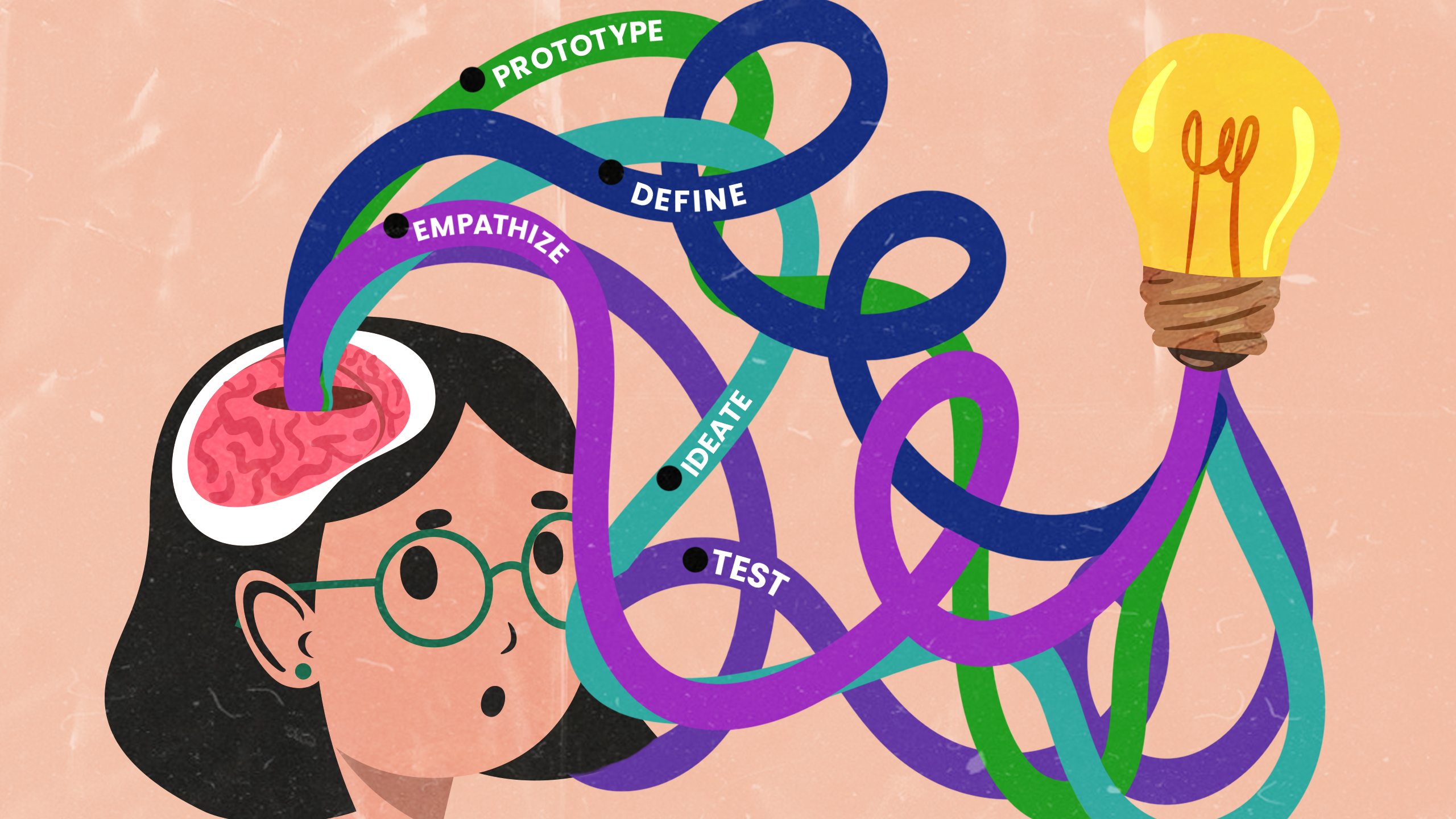
You've learned the colors, now what to do next? This is where your creativity comes into play, where you not only create content but also incorporate emotion and humor to keep your audience engaged.
You don't just create normal posts, but present that content as if you're indirectly talking to your audience. And that's called design thinking.
Design thinking is a broad topic because it comes packaged with your vision, goals, and product relationships. You don't just work on a single piece of content. You break your product into multiple categories and try to weigh them.
For example, you use a brick in different ways: to build a house, to block a door, as a paperweight, and more.
This often happens when there are many similar products in the market. For example, noodles were already available, but you see Maggi a lot in hill stations, and especially during the winter season, when you feel hungry on a picnic, only Maggi comes to mind.
You can also bring your product in multiple categories, but in this you will have to think for yourself which need you will create and when people will want to use your product.
Find Your Audience and Set Clear Goals

You've often heard that you need the right audience, that only those who need the product will buy it. But that's not true. People don't need the product, they need a solution to their problem, and they buy only that solution.
People buy Apple mobile phones for their design and business security, and status is secondary. Its target audience was unique. You don't have to find a unique audience, you just have to dedicate yourself to it. You can't sell your product to everyone, and this approach is also wrong.
The product will remain the same, only the audience should be limited. Your audience niche should be clear. The clearer you are and the more specific the audience, the more you will be able to set your price accordingly.
This is a strategy to create urgency. And the need will also be greatest there. Let me tell you a story.
The Story of Champa Inflation

A king had a lot of Champa. The king eventually issued a decree to his minister, demanding that the production of Champa within his kingdom be significantly curtailed. And Champa should only be produced in his palace. After a few days, the value of Champa increased significantly because the item was limited and available only in the palace. The Champa, which was originally valued at 10 rupees, increased to 100 rupees.
You can set your price accordingly for the limited number of people who own it, but the position must be unique.
Convert Content to Story Visuals
You know very well how important it is for someone to be hooked on your post for the first 3-5 seconds after viewing your product. To achieve this, you should make every effort to minimize the content of your product and ensure that the product is understood visually as much as possible.
Secondly, you should not fool or explain your audience; instead, you should be clear about the message you want to convey to your audience.
Analyze Lifestyle and Behavioral Habits
You may have noticed that some things remain the same in your relatives, friends, and even in the behavior of some people. If you carefully understand and observe, you'll definitely find something common in their lifestyle. Just connect this to the story or emotion of your product.
For whom that story or feeling will never be separated from them.
Because people don't buy your product, they buy vibe, emotion, and what they feel. This is the secret of some big-name brands.
Looking at their product, one might think it would be anything, but their strategy or story is what makes the brand. Like Nike, Adidas, Bonvita, or Nestle Maggi.
These brands sell stories, not their products.
Don't Just Focus on Design
The best way to present your content is to create visual content. This means that you capture your audience's attention by displaying visuals, and they can relate to the visuals.
Instead of creating a simple poster, try something meaningful. There's a slim chance they'll scroll through your post.
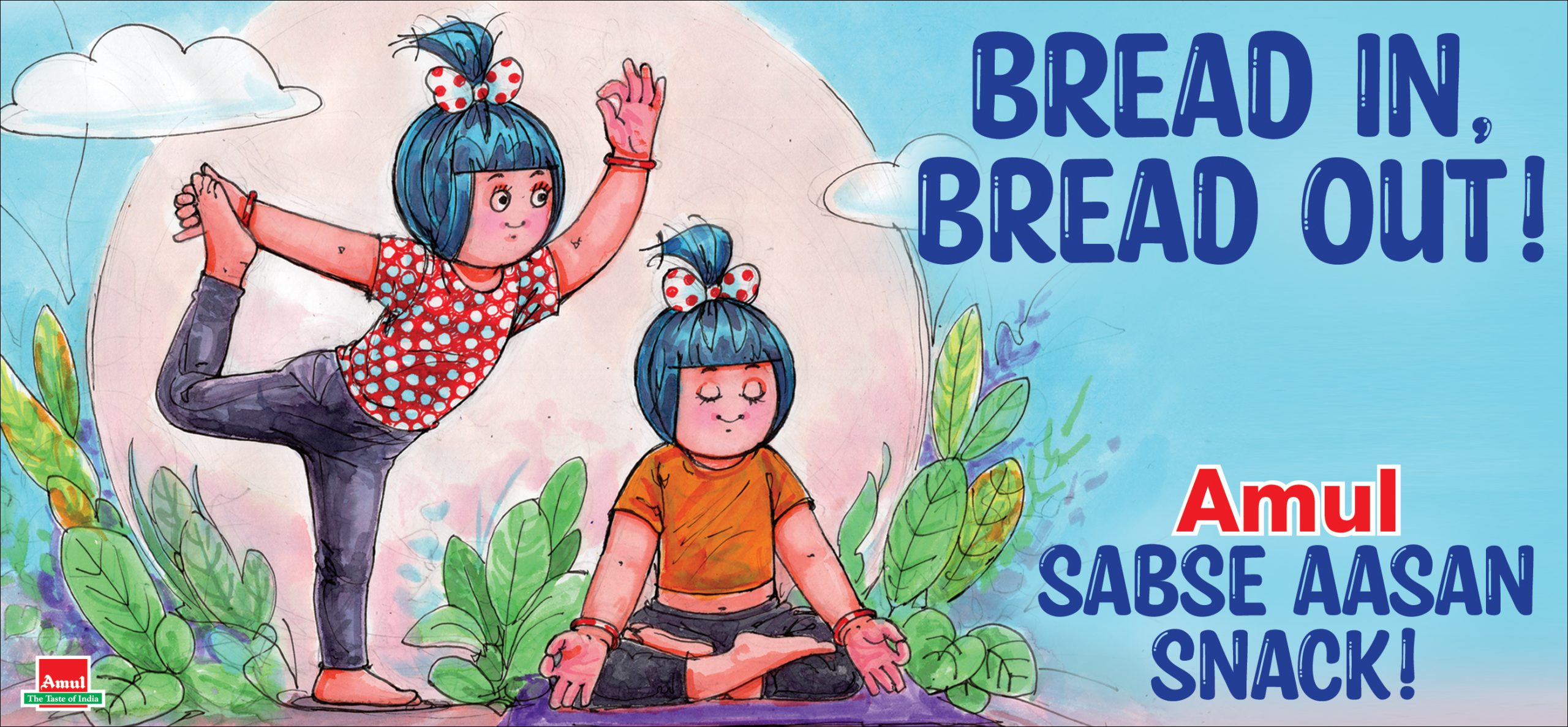
You don't add any text; just use images, cartoons, lifestyle, or drama. It's visually exciting, which engages people rather than boring them, as you can see in this image.
Best examples of this are Natraj Pencils, Amul, Duracell, or Chocos. These brands use creativity and drama in their ads. And today, Birla Opus has also started doing the same.

Adopt a Customer-Centric Perspective
You might think we've discussed this topic above, but here's a slightly different perspective.
Some companies have targeted a specific audience, but they're actually buying from a different audience. For example, the Tata Nano, Honda Element, Toyota Scion, and other brands in the automobile industry.
And it's not necessary that this won't happen to you; anything can happen. That's why it's important to be flexible in your thinking.
Honda Element: Built for Gen Z, Bought by Seniors
Honda designed this SUV for 20-25-year-old college-age youth and surfers (Youth & Gen-Z). Its seats were washable, making it easy to store adventure gear.
It was purchased in large numbers by senior citizens and dog owners. Seniors liked the car because its doors opened wide and it was easy to get in and out.
Tata Nano: Built for Families, Bought by the Wealthy
The same thing happened with Tata. It was designed for middle-class Indian families who used to travel on bikes or scooters so that they could travel safely in a car for Rs 1 lakh.
It started being bought by those who were already wealthy and needed a 'third or fourth car' for their home (for buying vegetables or for short-term driving). The middle class did not buy it because of the tag of "cheap car" (car for the poor), as cars are a status symbol in India.
Sell on Social Without Heavy Ad Spend
In the end, succeeding in social media marketing for D2C brands comes down to your creative capacity, which goes far beyond just pretty designs. When you combine strategic visuals with the right color frequencies and persuasive storytelling, you create a memory in your customer's mind that sticks for a long time.
You don't just sell a product; you provide a solution to a specific problem for a very clear audience. It's also vital to stay flexible, because sometimes the audience that buys your product isn't the one you expected. By balancing these factors, you aren't just posting content—you're selling a vibe and a story that people truly connect with.